

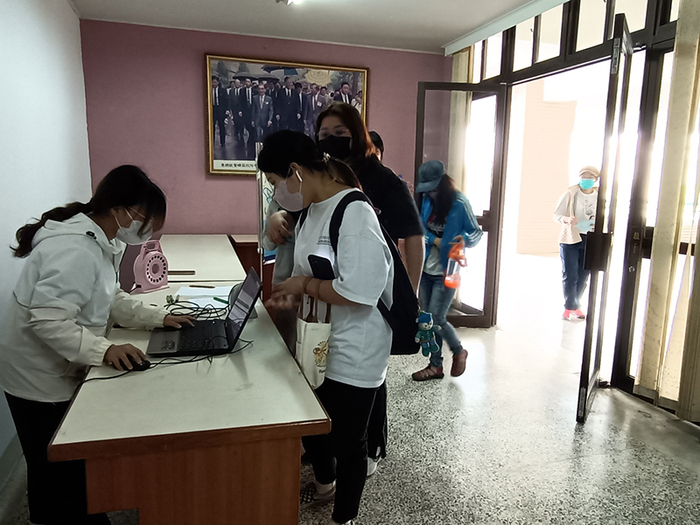
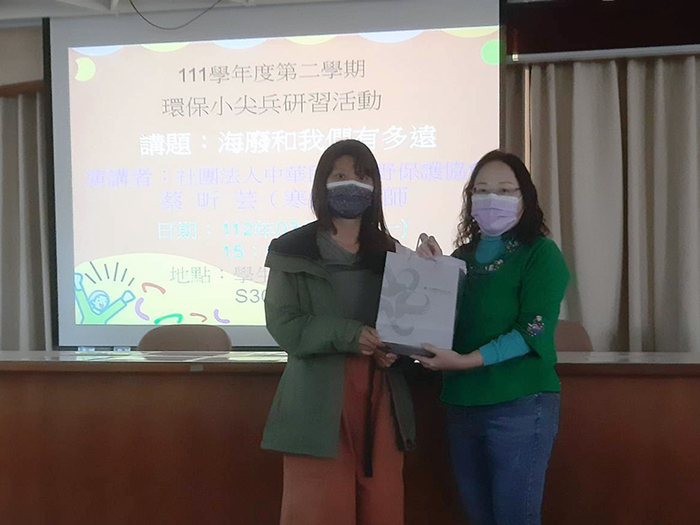
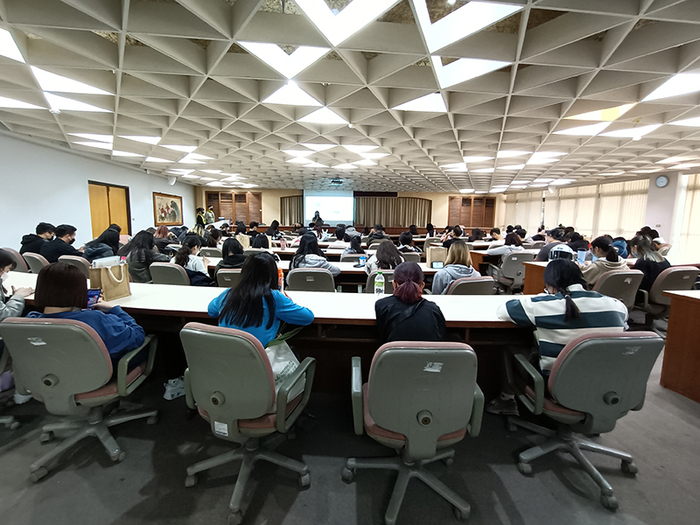
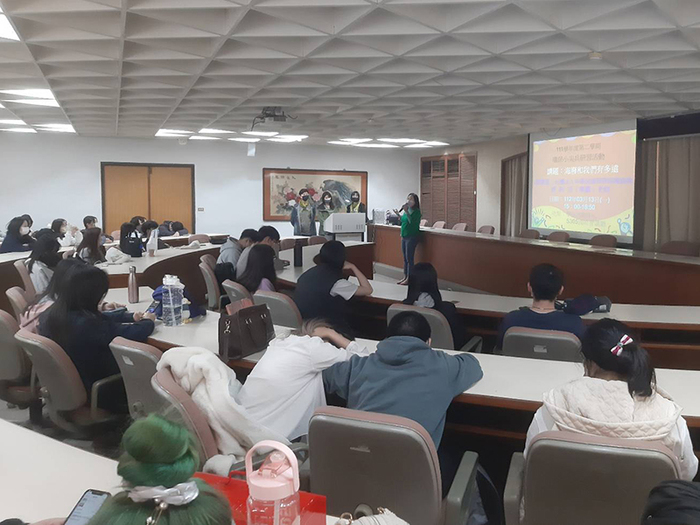
The second semester of the 111th school year, Environmental Protection Pioneer Workshop 112/03/13(I)

The second semester of the 111th school year, Environmental Protection Pioneer Workshop 112/03/13(I)Image

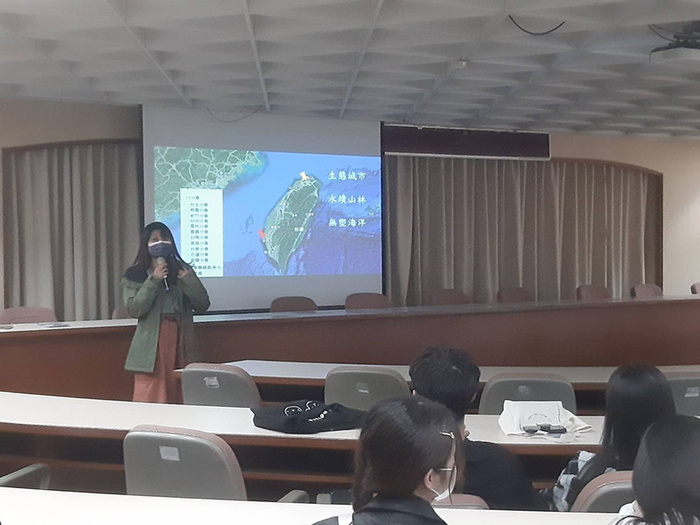
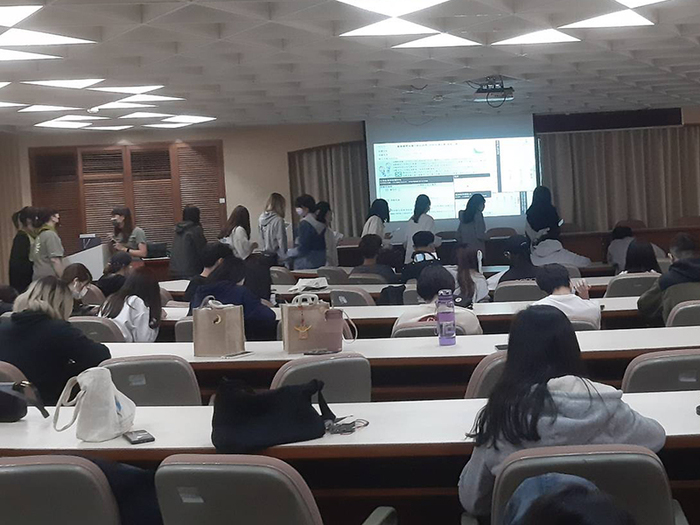
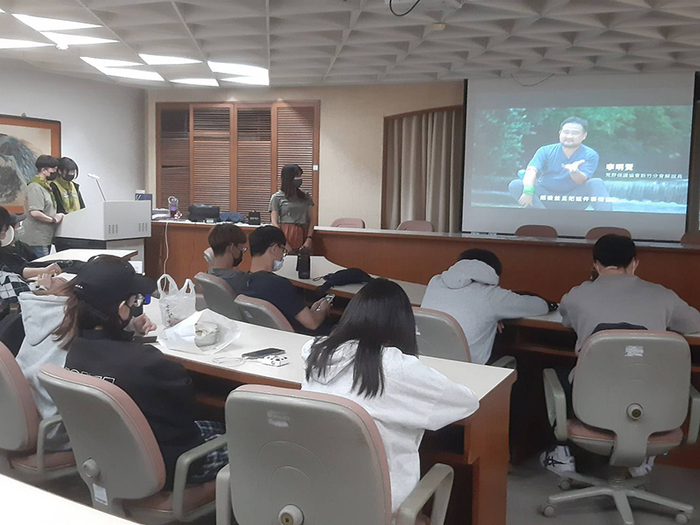
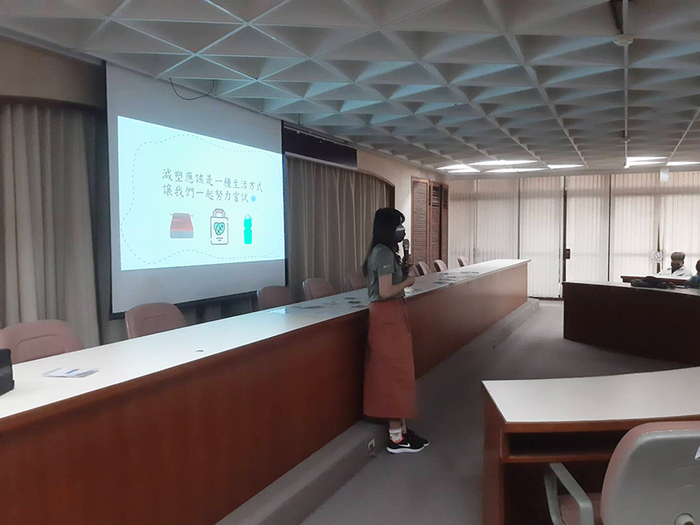
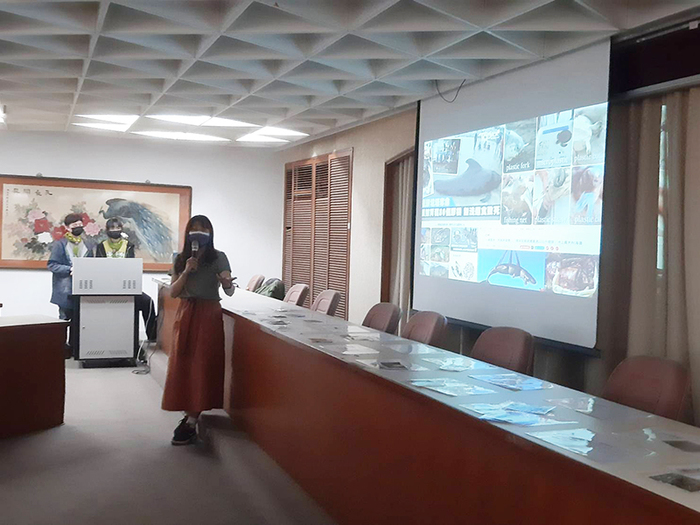
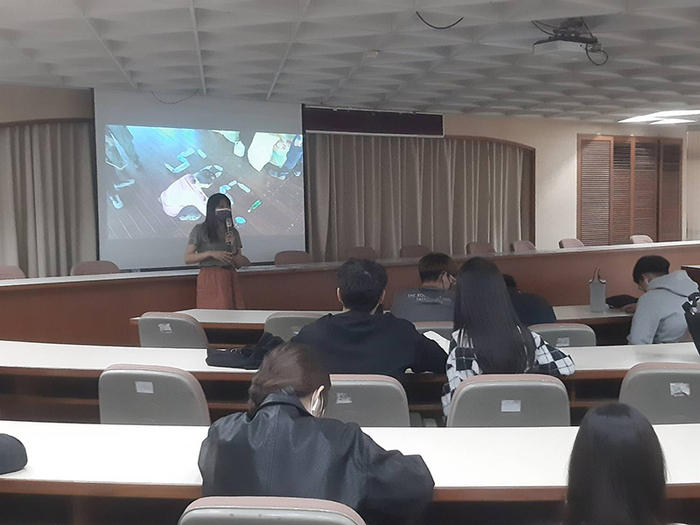
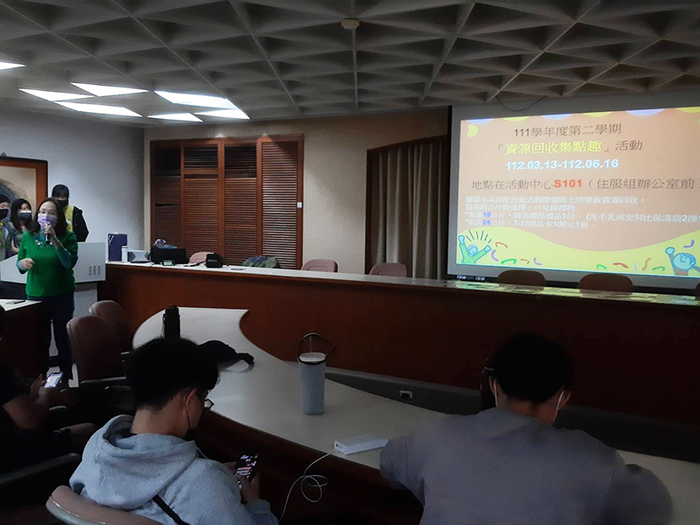
This day, Ms. Xin-Yun Tsai (Han Lu) from the Wilderness Conservation Society of R.O.C. gave a speech on "How far is the sea waste from us?" to enhance the concepts of marine environmental protection, plastic reduction, resource recycling, and environmental sustainability, and to encourage the implementation of good energy saving, carbon reduction, and hand-separation habits through concrete actions, as well as influencing the environmental protection concepts and practices of their peers and family members to do the environmental protection together, and to cherish their living environments.